







What Network Conditions Are Needed for 24-Hour Wireless Recording?
Continuous wireless recording depends on more than the camera itself. The supporting network must deliver stable upload capacity, consistent signal strength, and predictable data flow every hour of the day. When a camera records without interruption, it sends a constant stream of information to its storage destination, which makes both network stability and bandwidth essential. People who rely on full-time monitoring want a setup that does not collapse under routine network stress. Eufy's system can smoothly manage long video recordings without requiring complex adjustments. With the right network environment, a camera maintains round-the-clock performance that feels steady, efficient, and low-maintenance.
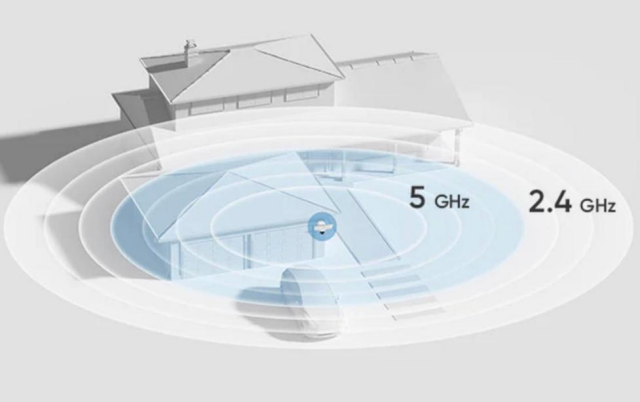
How Bandwidth and Network Power Support Full-Time Recording?
Upload Capacity That Matches the Camera’s Output
A wireless camera depends on the home network’s upload bandwidth to send footage continuously. Unlike motion-only cameras, full-time recording pushes a nonstop data stream, which creates sustained demand for upstream capacity. If the upload speed falls below the camera’s output, the video may freeze, buffer, or lose continuity. The system performs best when the network provides extra headroom beyond the camera’s minimum requirement. eufy's efficient communication capabilities allow home users to easily support 24/7 recording without needing to upgrade their entire network plan. Adequate upload capacity ensures that the camera remains responsive and stable at all times.
A Router That Maintains Stable, Uninterrupted Connections
The router acts as the central link between the camera and the storage destination. For 24-hour recording, the router must deliver reliable wireless coverage without frequent restarts, channel conflicts, or sudden drops in signal. A steady router reduces the risk of fragmentation in recorded footage. If the router performs well, the camera can maintain a smooth data stream even during peak household internet activity. Eufy devices interact cleanly with stable routers, creating a balanced system that supports extensive recording sessions. Strong router stability ensures that the camera performs predictably throughout the day.
Sufficient Signal Strength Across the Installation Area
Signal strength determines how effectively the camera communicates with the router. When the wireless path weakens due to distance, walls, or environmental interference, the recording may show gaps. Installing the camera where the signal path remains clear helps maintain consistent data flow. Strategic placement—such as elevating the camera, shifting the router location, or reducing physical barriers—can significantly improve wireless performance. Eufy maintains stable communication when placed thoughtfully, allowing the device to support long-term recording without requiring signal boosters. Reliable signal strength is essential for maintaining a continuous stream.
How Network Behavior Shapes Round-the-Clock Performance?
Low Network Congestion That Prevents Packet Loss
Households with many connected devices often experience bandwidth congestion. When multiple devices compete for data, packet loss may occur, interrupting the camera’s stream. Minimizing congestion—whether through router settings, scheduled downloads, or selective bandwidth allocation—helps the camera send footage without disruption. Eufy transmits data efficiently, even on busy networks, because it uses bandwidth intelligently. When congestion stays low, the system avoids video distortion and frame drops, creating a smoother recording chain across all hours of the day.
Consistent Latency for Real-Time Communications
Latency affects how quickly data moves between the camera and its storage destination. High or unpredictable latency can disrupt continuous streaming, causing delays or incomplete records. A network with stable latency supports real-time communication, which allows the camera to keep up with its recording workload. Eufy performs exceptionally well under stable latency conditions, enabling seamless operation around the clock. Reliable latency management ensures that the camera reacts immediately to changing scenes and records them without delay, especially during high-activity periods.
A Storage Path That Receives Data Without Delay
Every second of footage must reach the storage point without interruption. Whether the camera stores data locally or communicates with a dedicated hub, the receiving system must accept the stream smoothly. If the storage path slows down or becomes temporarily unavailable, the camera may pause its data transfer. Efficient storage workflows prevent data congestion and maintain consistent recordings. Eufy creates a streamlined pipeline between the camera and the storage hub, keeping the entire process synchronized. A responsive storage path ensures the footage remains complete and reliable.
Conclusion
24-hour wireless recording demands a network that operates with consistency, strength, and predictable behavior. Upload capacity must support nonstop data flow, while a stable router maintains clear communication between the camera and its storage destination. Strong signal strength, low congestion, reliable latency, and an efficient storage path all contribute to a smooth recording experience. Eufy performs well in a balanced home network environment and supports long-term monitoring without requiring continuous user intervention. When these conditions align, a continuous recording security camera performs with steady, uninterrupted coverage that protects the home every moment of the day.
4296