







Are You Overspending on Your Home’s Daily Energy Needs?
Rising energy bills have become a quiet burden for many households, even as daily habits stay the same. With more devices, chargers, and always-on electronics than ever, power consumption adds up—often invisibly. Small inefficiencies, left unchecked, can turn into real financial strain. The good news is that overspending tends to follow predictable patterns. Spotting them is the first step toward cutting costs without sacrificing comfort. This article breaks down five clear signs you’re wasting energy—and what to do about it.
1. Sign: Your Bill Rises, Your Usage Doesn’t
Rates increase but your habits stay the same
Electricity bills sometimes climb even when no major lifestyle or equipment changes have occurred. This pattern often reflects pricing adjustments rather than increased consumption. Many households assume higher usage is responsible, yet daily activities may remain identical from month to month. Lighting schedules, appliance usage, and charging routines frequently stay consistent over long periods. The confusion arises because billing statements rarely highlight rate shifts in an obvious way. As a result, rising costs may feel unpredictable or unavoidable. Careful comparison of historical bills typically reveals the underlying explanation.
You pay more for the exact same power
Paying more for unchanged energy use creates understandable frustration for homeowners. While rate structures vary, the financial impact becomes immediately visible. Small increases per kilowatt-hour compound across every device and appliance in operation. Even efficient homes feel the effects when pricing adjustments take place. Identifying this pattern encourages exploration of strategies that reduce grid dependence. Alternative energy storage and timing adjustments become increasingly relevant under such conditions. Awareness serves as the first step toward meaningful cost management.
2. Sign: Devices Stay Plugged in 24/7
TVs, consoles, and speakers draw power while idle
Many modern electronics consume electricity even when not actively in use. Televisions, gaming systems, and audio equipment often remain in standby mode throughout the day. Though individual power draw appears minimal, cumulative impact becomes significant over time. Idle devices quietly operate background processes, network checks, and indicator lights. This constant activity translates into measurable energy usage that rarely attracts attention. Households may underestimate how many devices behave this way simultaneously. Small adjustments can therefore yield noticeable savings.
Phantom loads add up month after month
Phantom energy consumption represents one of the most overlooked contributors to residential electricity costs. Chargers, adapters, and inactive electronics continue drawing power without delivering visible benefits. Over weeks and months, this hidden usage forms a persistent baseline expense. The effect becomes more pronounced as homes add smart devices and wireless accessories. Eliminating unnecessary standby consumption reduces waste without affecting functionality. Simple practices such as unplugging or using switched outlets improve efficiency immediately. Consistency proves more important than complexity.
3. Sign: You Run Appliances During Peak Hours
Afternoon electricity costs significantly more
Electricity pricing frequently fluctuates based on demand throughout the day. In many regions, afternoon and early evening periods carry higher rates due to increased usage. Running large appliances during these windows amplifies household expenses. Air conditioning, laundry machines, and dishwashers represent particularly energy-intensive examples. Timing rather than quantity often determines cost impact. Without deliberate scheduling, routines naturally drift toward convenience rather than efficiency. Awareness of peak pricing unlocks easy opportunities for adjustment.
You do laundry, dishes, and cooling at the wrong time
Daily schedules strongly influence when energy-intensive activities occur. Many households operate appliances immediately after work or during busy daytime hours. This habit unintentionally aligns consumption with higher pricing intervals. Shifting tasks to off-peak periods can reduce costs without reducing usage. Delayed start functions and programmable timers simplify this transition. Over time, small timing changes translate into reliable monthly savings. Efficiency improvements frequently require no additional equipment.
4. Sign: You Have Solar Panels Without a Battery
Free daytime energy flows back to the grid
Residential solar installations generate electricity most effectively during daylight hours. Without storage capability, surplus energy commonly returns to the grid rather than remaining available for later use. While compensation mechanisms may exist, returned energy often carries lower financial value. Households may therefore export power inexpensively while purchasing electricity at higher nighttime rates. This imbalance reduces potential economic benefits of solar investments. Energy independence remains incomplete without local storage. Understanding this dynamic clarifies the role of batteries.
You buy it back at night for full price
Evenings typically coincide with increased household activity and electricity demand. Lighting, entertainment systems, and climate control contribute to higher nighttime consumption. Without stored solar energy, homes rely entirely on grid power during these hours. The financial contrast between exported daytime energy and purchased evening electricity becomes noticeable. Integrating storage solutions allows households to utilize more self-generated power. Improved alignment between production and consumption enhances overall efficiency. Long-term savings potential increases substantially.
5. Sign: You Haven’t Tried a Solar Generator
Power laptops, lights, and Wi-Fi from stored sun
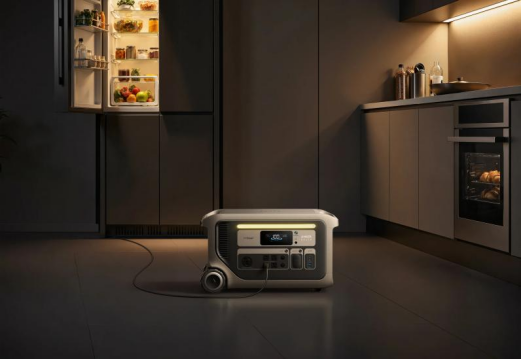
Solar generators introduce a flexible way to capture and use renewable energy without complex installations. By combining solar input with battery storage, these systems deliver usable electricity whenever needed. Everyday devices such as laptops, routers, and lighting equipment operate reliably from stored energy. A solar generator for home environments can therefore reduce grid reliance during routine activities. Solutions like the Anker SOLIX solar generator demonstrate how modern designs balance safety, stability, and ease of use within typical household scenarios. Expandable capacity and controlled output enable practical adaptation to changing energy demands. Gradual integration of stored solar power supports both resilience and measurable cost reduction.
Shave real dollars off your monthly bill
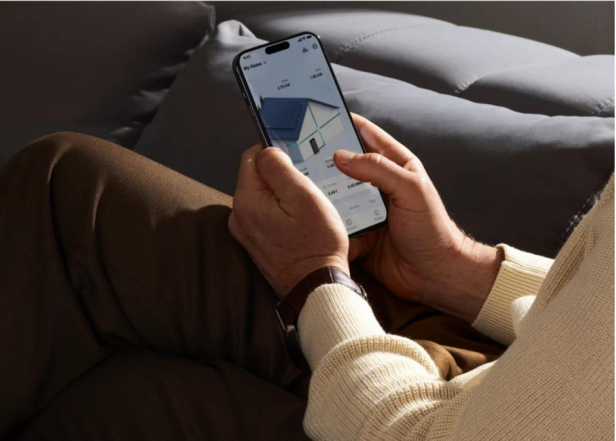
Reducing electricity expenses often depends on decreasing high-cost grid consumption rather than eliminating device usage. Solar generators help offset purchased energy by supplying power during strategic periods. Financial benefits accumulate gradually as stored energy replaces grid electricity. Unlike purely theoretical savings, reduced consumption produces visible billing differences. Consistent usage patterns reinforce predictable economic outcomes. Over time, households gain greater control over energy budgeting. Practical efficiency improvements become both tangible and sustainable.
Conclusion
Household energy overspending rarely stems from a single dramatic cause but instead emerges from common, repeatable patterns. Pricing structures, idle electronics, peak-hour usage, and incomplete solar setups all contribute to avoidable costs. Recognizing these signs allows homeowners to pursue targeted, realistic adjustments. Small behavioral shifts frequently generate meaningful financial improvements without sacrificing comfort. Emerging technologies provide additional tools for managing consumption and storage efficiently. Sustainable energy practices increasingly align with economic advantages. Informed decisions therefore transform energy management into a practical, everyday opportunity.
4282